Skip to content
Understanding Liability in California
Tailgating is one of the top causes of rear-end crashes. If you were hit by a driver who followed too closely, you have rights — and it’s a reminder for everyone to drive safer on our roads.
Driving in Los Angeles means navigating tight lanes, sudden stops, and unpredictable traffic. But when someone follows too closely, the risk of a collision increases dramatically. In fact, recent data shows that about 40% of all rear-end crashes happen because a driver was tailgating. If you were injured by a tailgater, understanding liability is crucial — and so is knowing how to stay safe on California roads.
What Is Considered “Driving Too Close” in California?
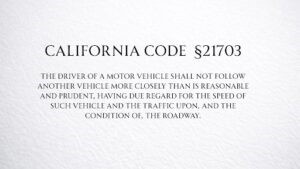
Under California Vehicle Code §21703, drivers must allow enough space to stop safely. This distance varies depending on:
- Speed
- Road conditions
- Traffic flow
- Weather
- Driver reaction time
Tailgating is legally considered negligent driving — and when it leads to a crash, the tailgater is usually responsible.
Why Tailgating Is So Dangerous
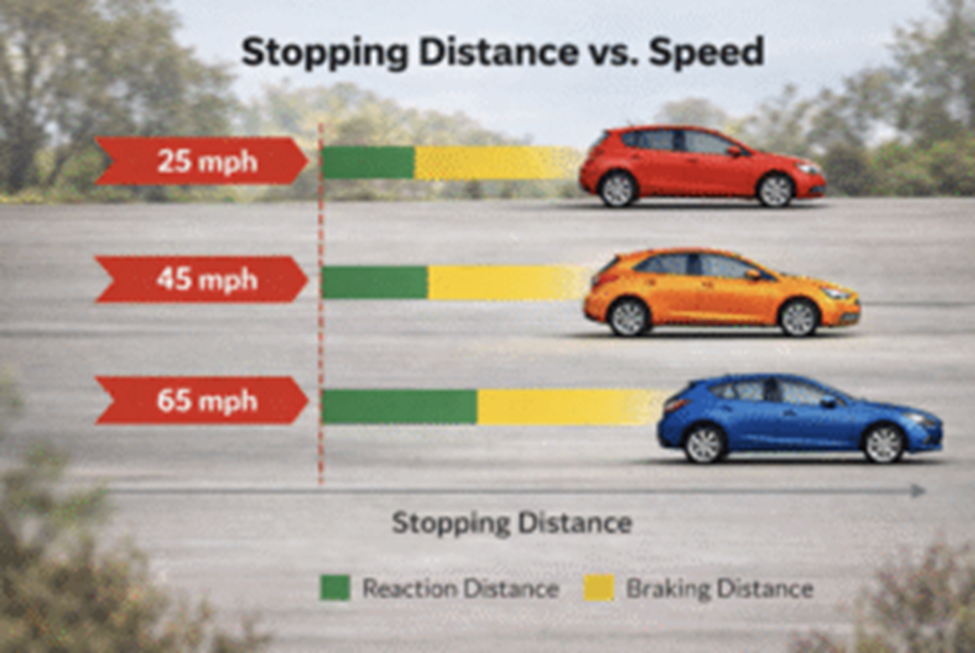
Following too closely leaves almost no time to react. Even a minor distraction — adjusting the radio, checking mirrors, or tapping the brakes — can lead to a collision.
Tailgating causes crashes because:
- It reduces reaction time
- It blocks visibility
- It causes panic stops
- It increases the severity of impact
- It creates multi-car chain reactions
In busy LA traffic, tailgating is simply unsafe for everyone.
Accidents Commonly Caused by Tailgating
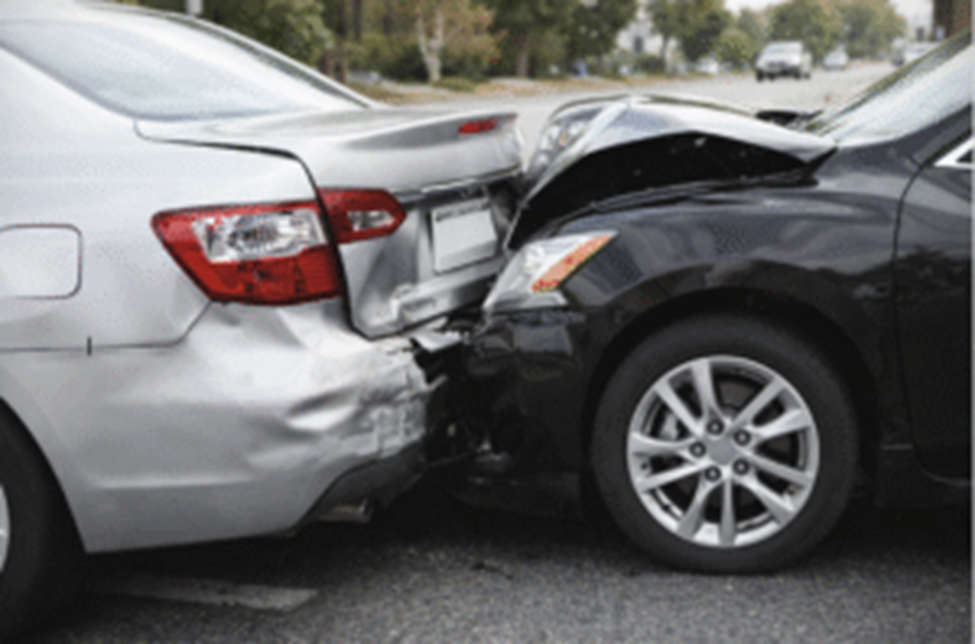
Tailgating often leads to:
- Rear-end collisions
- Sudden-brake crashes
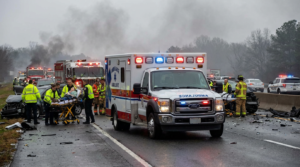
- Pileups on highways
- Motorcyclist injuries from impact
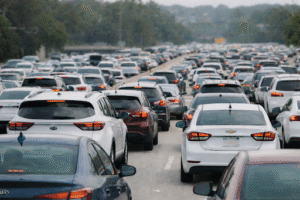
- Collisions in stop-and-go traffic
- Crashes in intersections and off-ramps
Even low-speed impacts can cause serious injuries, especially whiplash and back trauma.
Who Is At Fault When a Driver Follows Too Closely?
In most cases, the rear driver is at fault because every driver must maintain a safe following distance. Tailgating violates this duty of care.
Exceptions are rare, but could include:
- A driver reversing suddenly
- Brake lights not working
- A third driver causing a chain reaction
Still, the vast majority of tailgating crashes point to the rear driver’s negligence.
How to Avoid a Tailgating Accident (For Everyone on the Road)
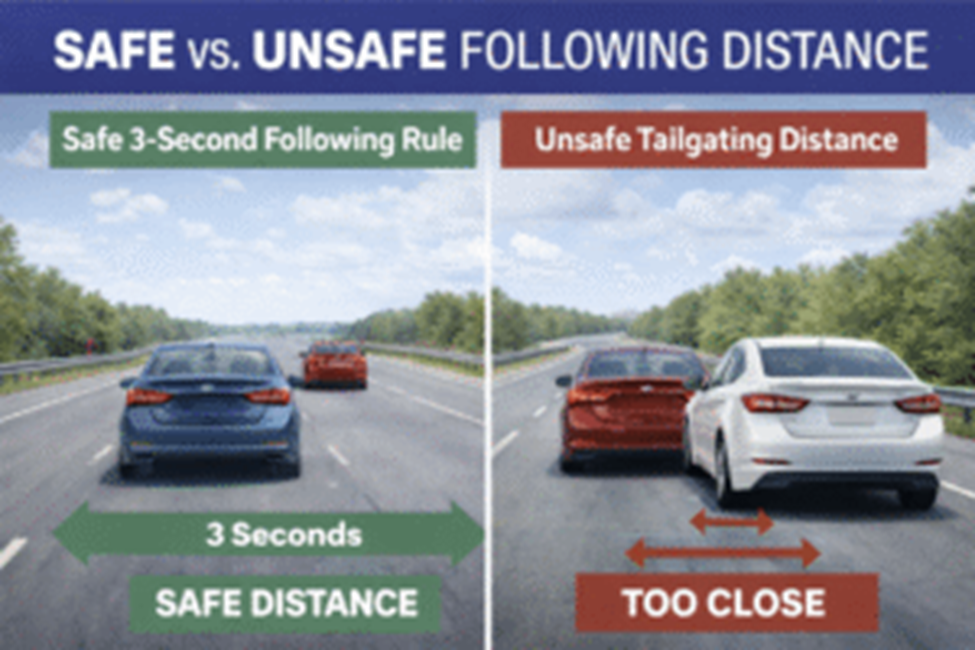
Whether you’ve been hit before or just want safer streets, here are tips that genuinely help prevent tailgating crashes:
1. Use the 3-Second Rule
Leave at least three seconds of space between you and the car ahead. Increase to five seconds in rain or heavy traffic.
2. Avoid Sudden Braking
Brake smoothly when possible. Fast, unexpected braking can catch a tailgater off guard.
3. Stay in the Right Lane When Possible
Left-lane drivers often attract impatient tailgaters. When safe, move right and allow space.
4. Don’t Engage With Aggressive Drivers
If someone tailgates aggressively:
- Stay calm
- Maintain your speed
- Change lanes when it’s safe
- Do not brake-check — it’s dangerous and illegal
5. Always Use Your Signals
Signaling ahead of turns or lane changes gives drivers behind you more time to respond.
6. Keep Your Brake Lights and Tail Lights Working
Faulty lights can confuse drivers behind you — and increase crash risks.
7. Adjust to Road Conditions
Wet roads, nighttime driving, debris, or construction require additional space.
These small choices can prevent serious accidents and keep everyone safer on California roads.
Hurt in an Auto Accident? How Maximus Law Helps

📞 Call Maximus Law today for a free consultation.
We fight for victims. You focus on healing.
Maximus Law, A.P.C. — Protecting Victims. Pursuing Justice.
Call: 866-863-2274