...

Pay No Fees Until We Win

We Fight For You

Medical Treatment If Necessary

The Justice You Deserve

Full and Fair Compensation

The Attorneys You Want On Your Side

 Our experienced legal team combines strategic thinking with relentless advocacy to deliver real results.

Qualified Attorneys

Meet Our Attorneys

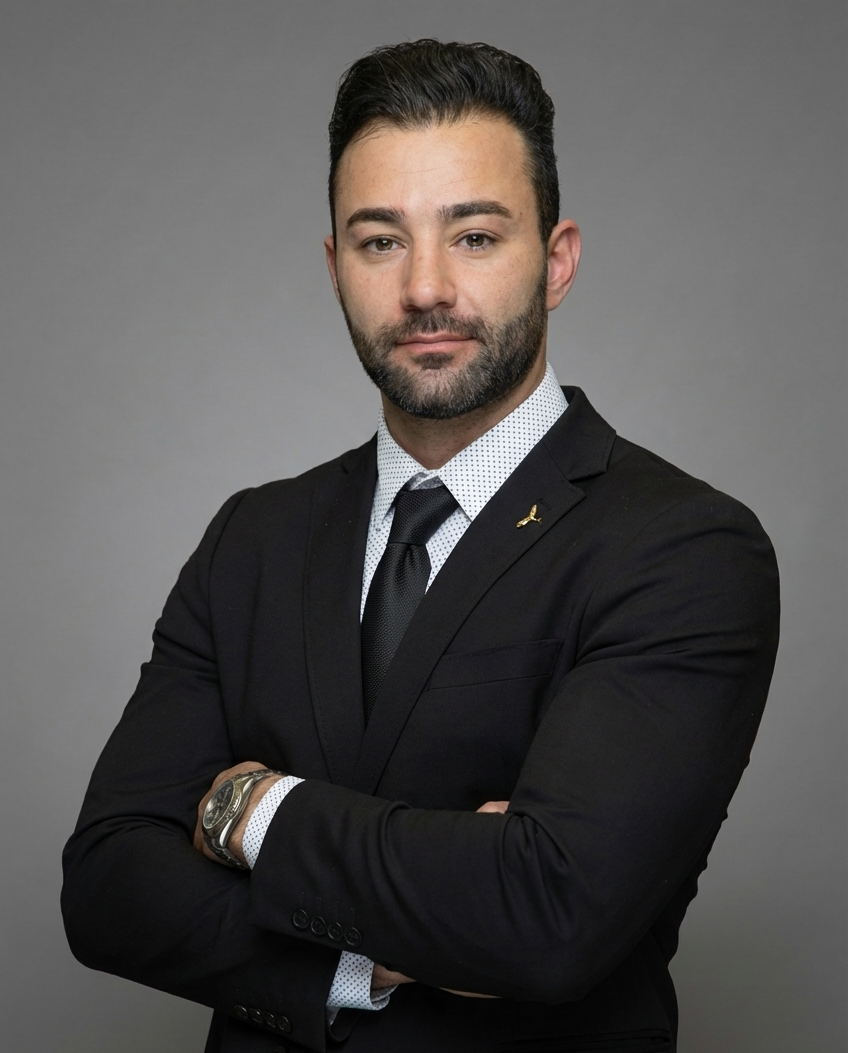
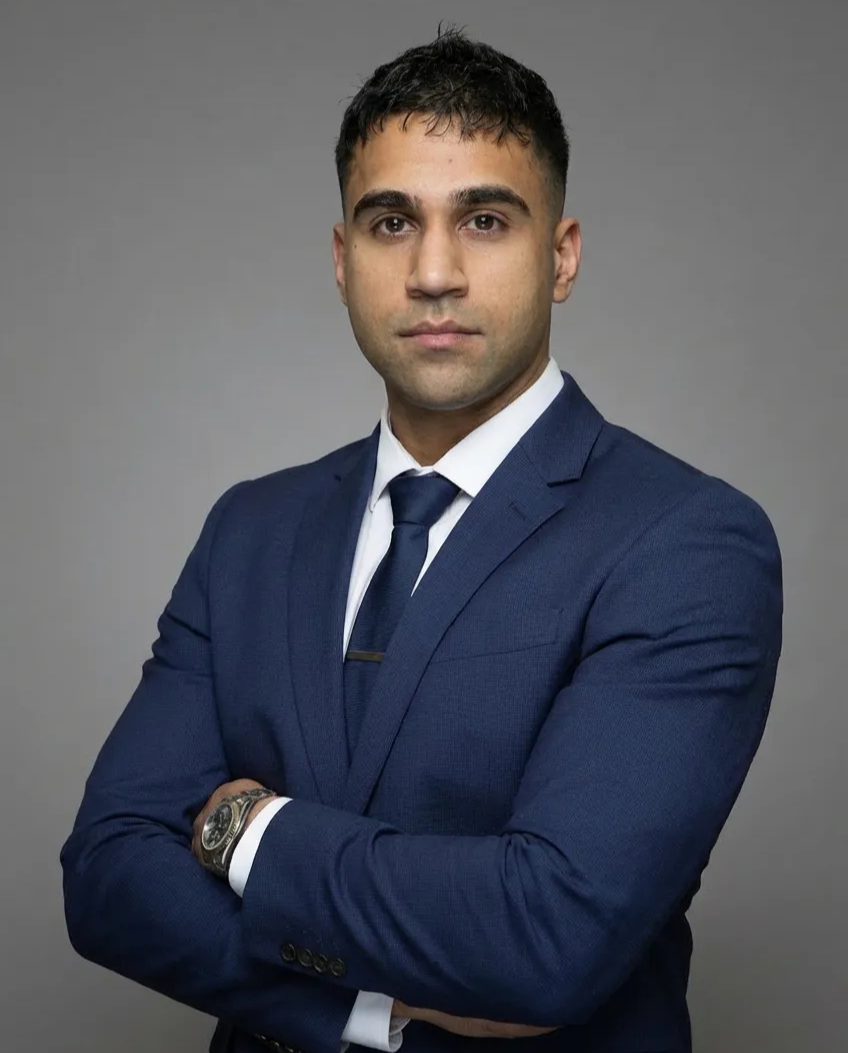
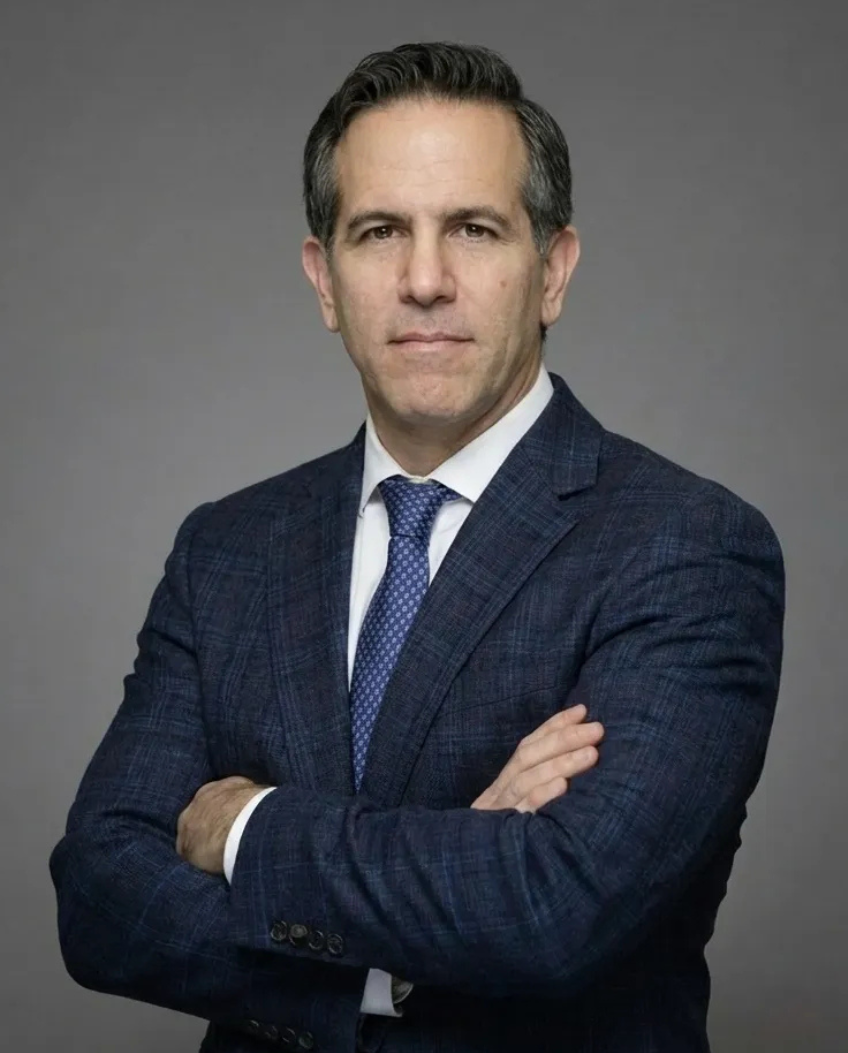
Meet the dedicated team at Maximus Law. Our team is full of passionate advocates who genuinely care about your rights. We fight tirelessly to ensure your well-being, health, and peace of mind, which are always our top priorities.

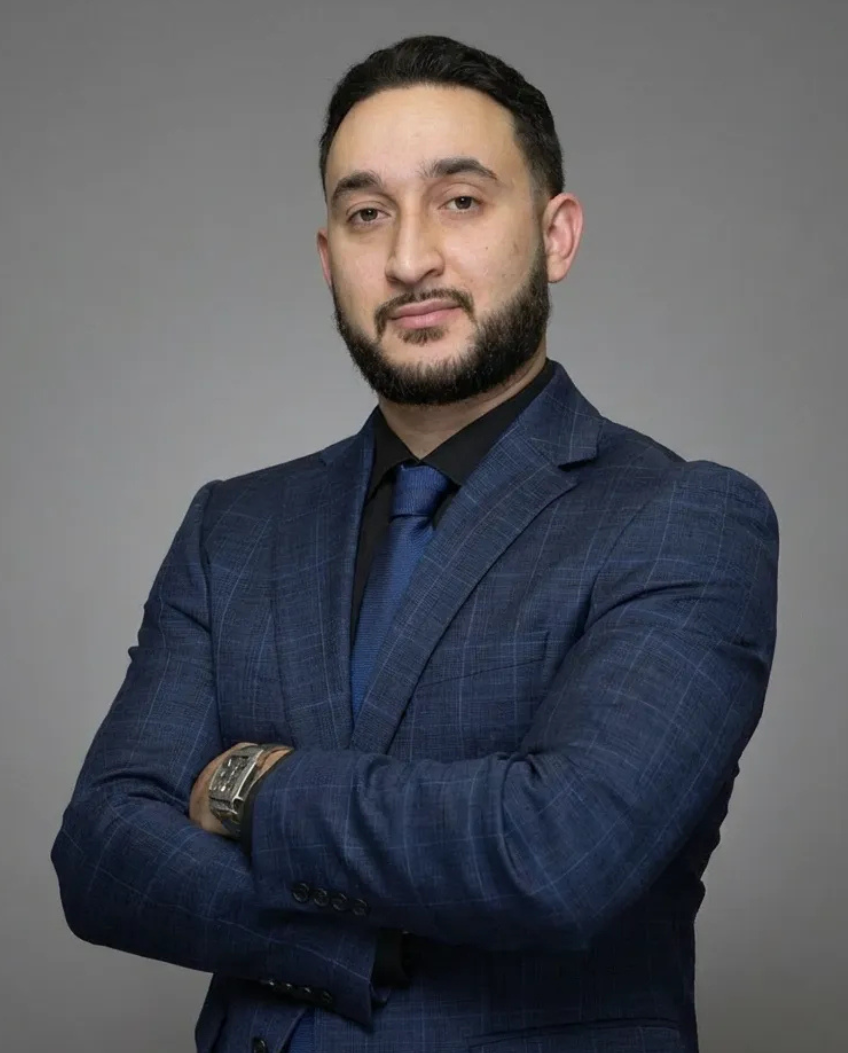
haidar awad

Partner & Attorney

Jafer Jaffery

Partner & Attorney

What Clients Say

Need Advice from Expert Lawyers?
Get an Appointment Today!

Our expert team is here to help.

Call Us +833-863-2274

Frequency Asked Question

How Can We Help You

You may have a valid claim if the accident was caused by someone else’s negligence or recklessness, resulting in damages such as medical expenses, lost wages, or pain and suffering. An attorney can evaluate the details of your case to determine its validity. 

In California, you generally have two years from the date of the accident to file a personal injury lawsuit. For property damage, the statute of limitations is three years. 

You may recover damages such as: 

  • Medical expenses (current and future) 
  • Lost wages or loss of earning capacity 
  • Pain and suffering 
  • Property damage 
  • Emotional distress 
  • Loss of consortium 

You can file a claim under your uninsured/underinsured motorist coverage, if you have it. An attorney can also explore other potential sources of compensation. 

California follows a pure comparative negligence rule, meaning you can still recover damages even if you were partially at fault. However, your compensation will be reduced by your percentage of fault.

Yes, if the accident was caused by poor road maintenance, you may file a claim against the responsible government entity. If a defective vehicle or part caused the accident, you may have a claim against the manufacturer. 

Liability may include the truck driver, the trucking company, the truck manufacturer, maintenance providers, or cargo loaders, depending on the cause of the accident. 

In California, you generally have two years from the date of the accident to file a personal injury lawsuit. For property damage, the statute of limitations is three years. 

A trucking company can be held liable if it failed to properly train or supervise its drivers, violated federal trucking regulations, or contributed to unsafe conditions such as driver fatigue or poor maintenance.

You may file a personal injury claim against the at-fault party, which could include the truck driver, the trucking company, or another negligent driver. 

It depends on the statute of limitations and any exceptions, such as delayed discovery of injuries. In some cases, exceptions may apply for minors or incapacitated individuals.

Medical experts provide critical testimony about the severity, cause, and long-term impact of the injury to support your claim. 

Key evidence includes medical records, expert testimony, accident reports, witness statements, and documentation of financial losses. 

Evidence such as medical expert testimony, life care planning reports, and documentation of ongoing treatment or limitations can help establish the long-term effects. 

You can pursue a claim against the rideshare company, the driver, or your own uninsured/underinsured motorist coverage. 

Evidence such as the police report, eyewitness accounts, and traffic camera footage can help establish negligence.

If the app wasn’t active, the driver’s personal auto insurance would likely apply. An attorney can help determine the best course of action.

Yes, you can file a claim against the at-fault driver or explore compensation through the rideshare company’s insurance policy.

Yes, but claims against government entities typically have shorter filing deadlines, usually within six months.

You may still have a claim if the property owner failed to address a known hazard, even if you were a trespasser, depending on the circumstances.

Negligence can be established if the property owner knew or should have known about a dangerous condition and failed to fix it or warn visitors.

Take photos of the scene, document the hazard, seek medical attention, report the incident to the property owner, and consult an attorney.

Yes, if the property owner failed to provide adequate security measures to prevent foreseeable harm. 

Yes, a DUI arrest strengthens your case for holding the drunk driver liable for damages.

Under California’s “dram shop” laws, liability is limited, but an establishment may be held accountable in rare cases, such as serving a minor.

You may seek compensation through your uninsured motorist coverage or explore other potential sources of recovery.

You can seek compensation for medical expenses, lost wages, property damage, pain and suffering, and possibly punitive damages to hold the drunk driver accountable.

The value is based on factors such as funeral expenses, loss of financial support, loss of companionship, and the deceased’s projected future earnings.

Yes, liability can be shared among multiple parties, such as drivers, manufacturers, or employers.

Yes, family members such as a spouse, children, or parents can file a wrongful death claim regardless of whether the deceased had a will.

In California, you may be able to file a claim for pregnancy-related losses if the death was caused by negligence, but laws vary by case specifics.